Stop Boring Your Employees: Using Internal Signatures to Fight “Slack Fatigue” and Build Culture
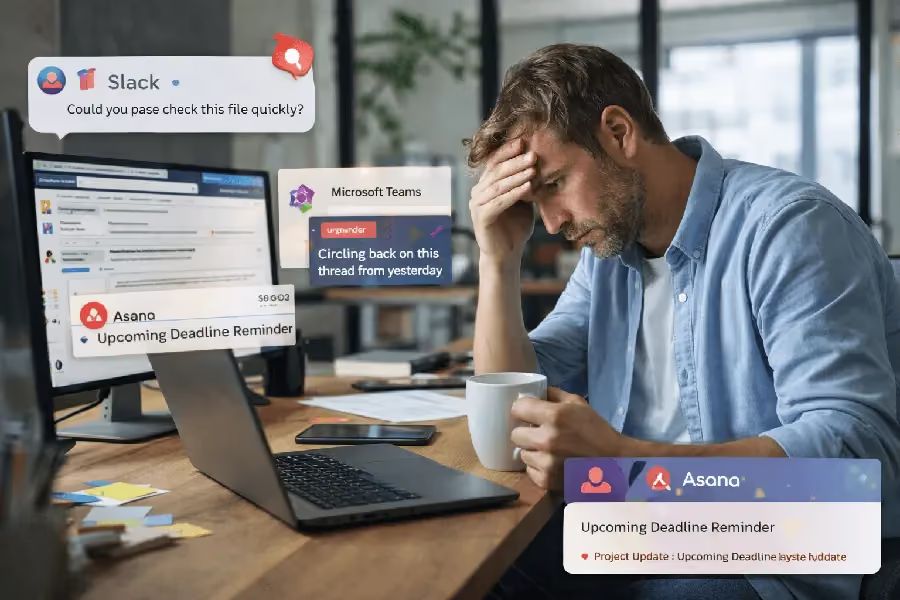
To illustrate this digital exhaustion in action, imagine a Tuesday morning in the life of a Senior Project Manager at a global tech firm.
They sit down with their coffee at 9:00 AM, intending to finalize a high-stakes strategy document. Before they can type the first word, the "ping" begins. A Slack message from the design team asks for a quick file check. Two seconds later, a Microsoft Teams notification banners across the screen: a colleague is "circling back" on a thread from yesterday. Simultaneously, the project management tool, Asana, fires off three automated alerts about "upcoming deadlines."
By 9:15 AM, the Project Manager has entered a state of reactive paralysis. Their brain is jumping between four different platforms, each one screaming for immediate attention. The "urgent" nature of these instant messages has created a psychological bottleneck where they feel they must respond to everyone just to stop the noise, leaving them no room for the deep, creative work they were hired to do.
In this fractured ecosystem, the Project Manager receives an email from the HR Director. It isn’t a "High Importance" broadcast or another Slack notification to ignore. It’s a routine project update. As they scroll to the bottom to see who else was CC’d, their eyes land on the email signature.
Instead of the usual blank space or a dry block of text, there is a vibrant, calm-toned banner that reads: "Internal Spotlight: Highlighting Q1 Success on the Roadmap." Underneath is a small, one-click link: "Nominate a colleague for next month's spotlight."
For a brief moment, the noise of the "pings" fades. In the middle of this frantic, fractured morning, the Project Manager feels a sudden, quiet surge of recognition. They didn't have to navigate to a "Culture Channel" or search the Intranet to find this appreciation—it met them exactly where they were already working.
This is the "Internal-Only" rule in action. While the outside world sees the Project Manager's professional external signature, their colleagues see a living, breathing cultural dashboard. By utilizing this overlooked real estate, the company has managed to build culture and provide meaningful recognition without adding a single "ping" to their already exhausted morning.
The Invisible Opportunity in the Internal Inbox
The average employee spends approximately 28% of their work week managing email. Unlike instant messaging, which demands a synchronous, immediate reaction, email allows for asynchronous consumption. This makes the email signature the perfect "passive" channel for culture building. It is there when the employee is already focused on work, offering a moment of community without forcing a context switch.
When an organization chooses to centralize their email branding for internal use, they move away from the "stripped-down" text-only approach and toward a dynamic communication strategy. This isn't about adding more clutter; it’s about providing high-value, low-friction information that helps an employee feel connected to the bigger picture.
Fighting "Slack Fatigue" with Passive Engagement
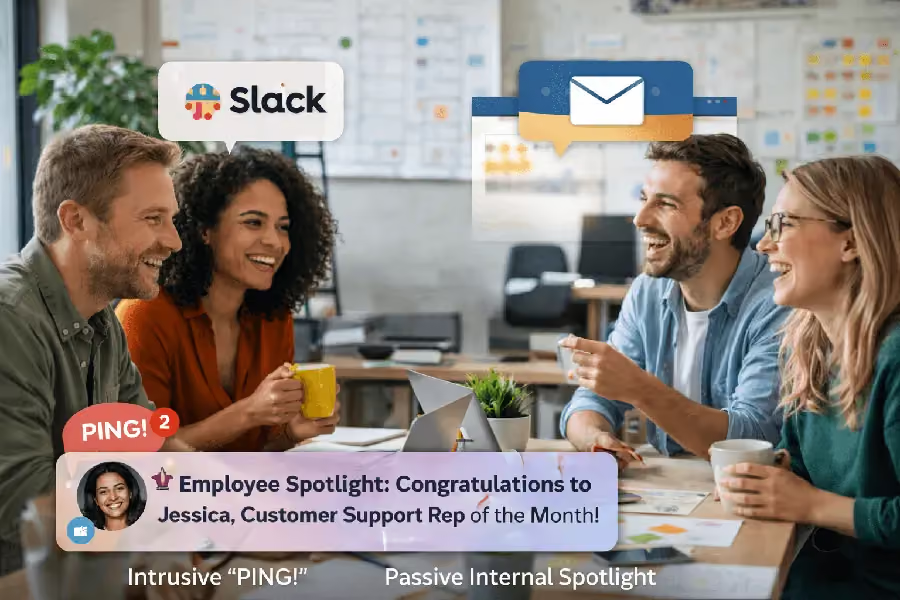
The primary driver of Slack fatigue is the "red dot" anxiety—the feeling that you must respond right now. Email signatures, by contrast, offer a "discovery" experience. An employee might be reading a project update when they notice a beautifully designed banner at the bottom of the email celebrating a colleague’s five-year anniversary. They didn't have to join a "Celebrations" channel or scroll through 50 "congrats" emojis to see it. It was simply part of their natural workflow.
By using centrally managed email signatures, IT teams can ensure these cultural banners only appear on internal emails. This ensures that while your clients see a professional, sales-focused signature, your team sees a vibrant, community-focused footer.
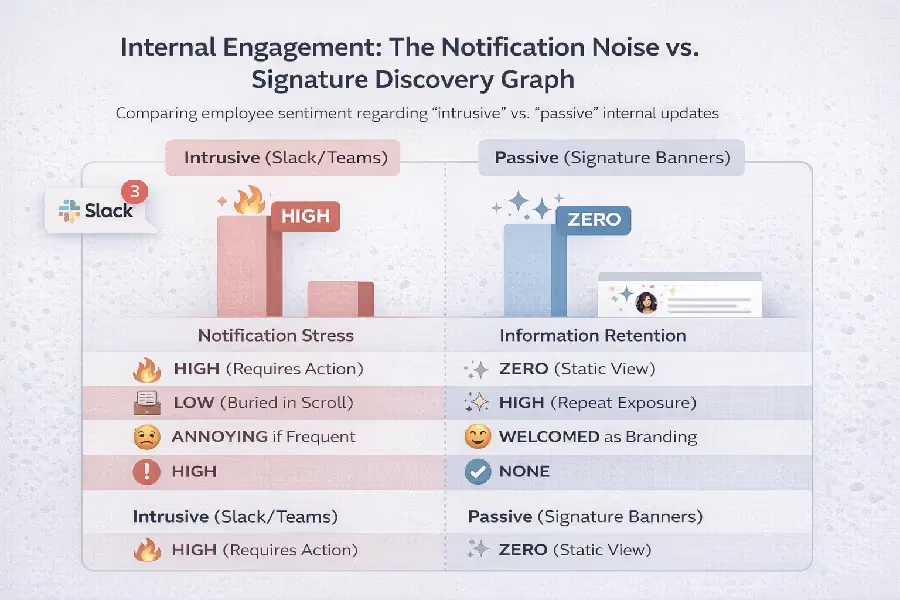
Internal Engagement: The Notification Noise vs. Signature Discovery Graph
The following data compares employee sentiment regarding "intrusive" vs. "passive" internal updates:
Turning Footers into an Internal Job Board
One of the greatest challenges for large enterprises is internal mobility. Often, employees are unaware of open roles in other departments, leading them to look outside the company when they are ready for a change. A "Careers" page on an intranet is often a "ghost town" because it requires the employee to leave their work to go looking for it.
By placing "Internal Job of the Month" banners in the signature, HR departments can keep mobility top-of-mind. Because these are policy-driven email signatures, you can even target these banners. For example, the Engineering department’s internal signatures could highlight open Senior Developer roles, while the Sales department’s signatures highlight Account Executive openings.
Gamifying the Workspace: Company Trivia and Knowledge Sharing
Culture isn't just about HR announcements; it’s about shared knowledge and fun. Imagine an internal thread where the signatures rotate through "Company Trivia" or "Did You Know?" facts.
- "Did you know we reached 5,000 clients this morning?"
- "Trivia: Who was our first-ever employee? (Click for the answer)."
This transforms a boring email chain into a source of micro-engagement. It encourages employees to look at the footer, not just the body. By implementing dynamic HTML in signatures, you can ensure these trivia bits rotate daily or even per email sent, keeping the content fresh and the "boring" emails a thing of the past.
The "Employee of the Month" Spotlight
Recognition is the most powerful tool for retention. However, a monthly "All-Staff" email announcing winners is often deleted before it’s read. By placing the "Employee Spotlight" in the signature of everyone in that winner's department, you provide a month-long celebration of their hard work. Every time that employee—or their peers—sends an email, the achievement is visible. It creates a "Digital Trophy" that follows the employee’s work, reinforcing their value to the team in every interaction.
This level of branding and culture consistency shows that the company values its people as much as its corporate identity.
Supporting Mental Health and "Wellness" Links
In an era of high burnout, the internal signature can also serve as a "Quiet Support" system. Instead of another "Wellness Wednesday" newsletter, a permanent link in the internal signature that says "Need a break? Access our 5-minute meditation hub here" provides a constant, non-judgmental path to support.
Because these are managed via centralized server-side tools, HR can change these links to match current company initiatives—shifting from "Mental Health Awareness" to "Summer Friday Hours" seamlessly across the entire organization without asking employees to change a thing.
Driving Intranet Traffic Without the Nagging
Most intranets suffer from low engagement because they are "destination" sites—you have to decide to go there. By using the email signature as a "referral" engine, you turn the email inbox into a gateway.
- "New Policy on Remote Work Updated - Read here"
- "CEO’s Quarterly Video Message - Watch now"
When these links are embedded in the professionally managed office location signatures, they feel like a natural extension of the message rather than a forced "click here" command.
Reducing "Signature Bloat" while Maximizing Impact
A common concern with internal signatures is that they can make long threads difficult to read. This is where "Collapsible" or "Reply-Specific" rules come into play. A sophisticated system allows the first email in a thread to show the full cultural banner (e.g., the Employee Spotlight), while subsequent replies in that same thread only show a "Simplified" version—perhaps just the employee's name and a tiny "Internal Job Board" icon.
This prevents the "Wall of Signatures" problem while still ensuring the most important cultural messages are delivered at least once per conversation. This efficiency in signature management is what separates a world-class internal comms strategy from a messy one.
Turning the Last Line into a New Beginning
Internal culture isn't built in a single annual retreat or a monthly "Town Hall." It is built in the thousands of small, daily interactions that happen between colleagues. When we leave the internal email signature blank, we are leaving a massive portion of our "corporate real estate" undeveloped.
By fighting "Slack Fatigue" and moving cultural messaging into the passive, respectful space of the email footer, companies can build a more connected, informed, and appreciated workforce. This doesn't require a new social media platform or a change in employee behavior; it only requires the right infrastructure to manage the messages we are already sending.
Transforming your internal emails from static data transfers into dynamic culture-building tools requires a platform that prioritizes engagement. By leveraging rules-based delivery and rotating banners, your organization can move past uninspiring memos and start capturing employee attention.
Whether you are spotlighting a new career opportunity, celebrating a major milestone, or offering a quick mental break with daily trivia, your internal communications can finally foster a sense of community and excitement. Turn every message into an opportunity for a more vibrant workplace with Crossware.